Beyond Food rules
Reconnecting with self-trust, body wisdom, and a more compassionate relationship with yourself.
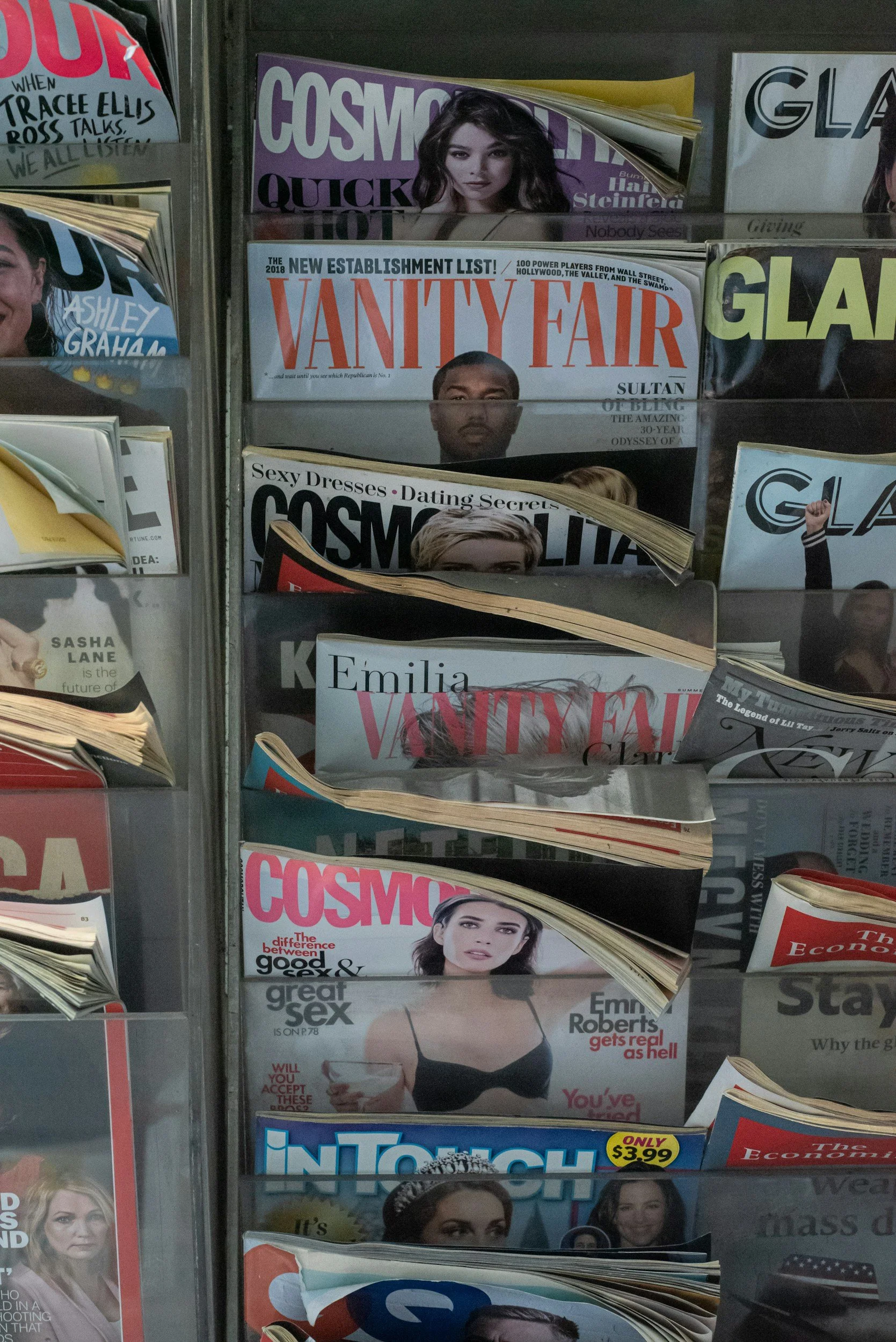
I run into the grocery store to pick up a few last-minute things for dinner. I’m waiting in line at the checkout, and a magazine catches my eye, the headlines promising the loss of an unrealistic amount of weight in time for summer by following a special diet cleanse. Another magazine, another headline: “Eat This to Melt Fat Fast.” Another: “Get Your Summer Body in Just 2 Weeks”.
Every year around this time, something predictable happens. The weather warms. Shorts and swimsuits emerge from the back of closets. Invitations to barbecues, beach days, and family gatherings start filling the calendar. And every year, as if on cue, the same promises headline magazines and media platforms everywhere.
For many women, a familiar voice inside us also gets louder. It might sound like: “You need to lose some weight.” “Your bathing suit will never fit.” “Your shorts are too tight.” “You should have started earlier.” And a certain type of panic sets in — an irrepressible urge to get back on track; to fix ourselves.
I know this routine like the back of my hand. For many years, I believed that everything I wanted depended on the size of my pants and the number on the scale. I believed that the confidence, acceptance, peace, and belonging I so longed for were just on the other side of ten, fifteen, or twenty pounds. That if I could just lose weight, exercise a little bit more, eat a little bit better, I would finally be okay — that I’d be happy, confident, at ease, and finally free from “the struggle”.
What I eventually realized after years of inner work was that the very things I was doing to control my weight were keeping me disconnected from the very peace I was trying to create. And that, although I was convinced that losing weight was the answer to what I wanted, I was not actually seeking a smaller body as much as I was seeking the feelings that I thought a smaller body would give me.
What I also discovered was that I am not alone— and neither are you.
For many of us, issues with food and body image are complicated. We have been socially conditioned to look outside ourselves for answers, for approval, acceptance, worthiness. And the external messages we received regarding success and happiness revolved around our looks, specifically, our bodies. We’ve been taught to believe that the life we yearned for lies just on the other side of changing ourselves. Many of us have spent years pursuing promises that never delivered what they seemed to offer, and we’ve paid for those promises with constant dieting, restricting, and self-monitoring, and a constant pursuit to “fix ourselves”.
An untold number of us have been convinced that our bodies are a problem and have become trapped in cycles of self-criticism and a punishment-and-reward mentality, fluctuating between rigid control and overindulgence. Counting calories, carbs, macros. Eating more of this and less of that. HIIT workouts, cardio, more strength training, and gym memberships. Within that cycle, food, diet, and exercise become a coping strategy—a way to feel okay, to be distracted from the deeper issues of shame and self-worth, and from the possibility that we just don’t measure up.
Ironically, we’ve never had more information about health, body image, and the importance of self-acceptance. And yet so many women still find themselves exhausted by the same inner battle.
For many women, the thought of trusting their bodies and not needing to be so vigilant sounds amazingly freeing. So why is it so difficult to let go of this internal battle and the external pursuit of approval and belonging via a smaller body? Fear and lack of self-trust. From my experience, fear is what keeps us bound to these cycles of internal struggles with food and weight, and to the external quest for the promises that a smaller body will give us. And as fear keeps us outwardly focused, we lose our ability to turn inward and trust ourselves.
Just the thought of ending these cycles of behavior can bring up immense anxiety, prompting questions like, “What if I gain weight?” “What if I lose control?” “What if people judge me?” “What if I’m no longer attractive?” “What if I never feel okay?” The stakes just feel too high. And this very real fear can keep us spiraling in cycles of behavior that consume us and dictate how we move through life—leaving us disconnected from our own needs, desires, and inner wisdom.
These fears aren’t signs that something is wrong with us. They are often signs that protective parts are attempting to keep us safe. The thought, “What if I gain weight,” might protect us from perceived criticism and judgment based on past experiences involving comments about our bodies. When we may have used food to regain control in a situation where we may have had none, “What if I lose control?” speaks to a very real fear about safety. In a world that tells us that thinness equals beauty, anxiety around gaining weight and becoming unattractive can be destabilizing and perpetuates a lack of self-trust.
But what if there’s a different way?
What if the peace, acceptance, and freedom we’ve been seeking through changing ourselves become available when we begin to relate to ourselves differently?
What I began to realize over time was that I was looking outside myself for the very things that my system needed from me. And when I turned inward with curiosity and gently explored the fear within myself, I learned that it was a part of me, attempting to protect me. By keeping me tethered to well-worn behaviors and beliefs that kept me stuck in cycles of weight gain and loss, fear protected me from the deeper pain of things like shame and unworthiness. And through this lens, the fear made sense, and I was able to meet it with compassion and even gratitude for trying to keep me safe.
As I explored further, other parts like the perfectionist, the controller, the over-indulger, and the inner critic, which were often activated alongside the fear, also made sense. The perfectionist worked tirelessly to avoid others’ criticism and judgment in order to keep me safe. The controller kept me busy and distracted by diets and all kinds of rules and expectations around food and exercise. The inner critic railed on me before others had the chance. The over-indulger was trying to soothe and care for my system in the only way it knew how. What I came to understand was that these parts of me actually had my best interests in mind in their very limited and misguided ways.
Through curiosity, I began to understand these parts of myself in a new way. I listened to what they wanted me to know and how they did their different “jobs” in order to keep me safe. I heard their need for understanding and care. As I extended that care and compassion to them, they began to soften. Not all at once, but a little bit more each time I allowed them space to be.
With this softening, space opened up, and I could access the clarity I needed in order to heal and release this struggle. By engaging with these parts from a place of care and compassion instead of fear and resistance, I learned that my whole system was yearning for permission. Permission to stop fighting, to rest, to listen inward, to be imperfect, and to extend acceptance, worthiness, and trust to myself.
Looking back, I realize that healing didn’t begin when I learned to trust my body. It began much earlier, when I learned to stop fighting myself. As I became more compassionate toward the parts of me that had been working so hard to protect me, I noticed that the fear no longer needed to shout so loudly. In its place, there was a growing sense of safety, permission, and space. And it was within that space that something new began to emerge— a quiet, steady voice that had been there all along.

From this place of connection and clarity, I began to truly listen to myself for the first time. I began to notice my body’s cues for hunger and fullness, for the types and amounts of food that felt nourishing, for movement or rest that felt sustainable. And I met these cues with courage and respect. Not perfectly, and not all the time, but I noticed a calm, compassionate, wise presence beginning to emerge, and with it a growing sense of trust.
What I learned is that the way forward began with a return to mySelf.
And I found that the acceptance, worthiness, peace, and freedom I craved were there, within myself.
This is the work I do with the women I have the honor to support.
If you are struggling with issues around food and body image, please know that you are not alone. A question I invite you to ask is: what are you hoping a different body would give you?
What if those qualities aren’t actually found through changing your body— but through changing your relationship with yourself?
The life that you yearn for is available to you in every moment that you choose to turn inward with care and curiosity rather than abandoning yourself for promises that the world is unable to fulfill.
The way forward begins with a return to ourselves.