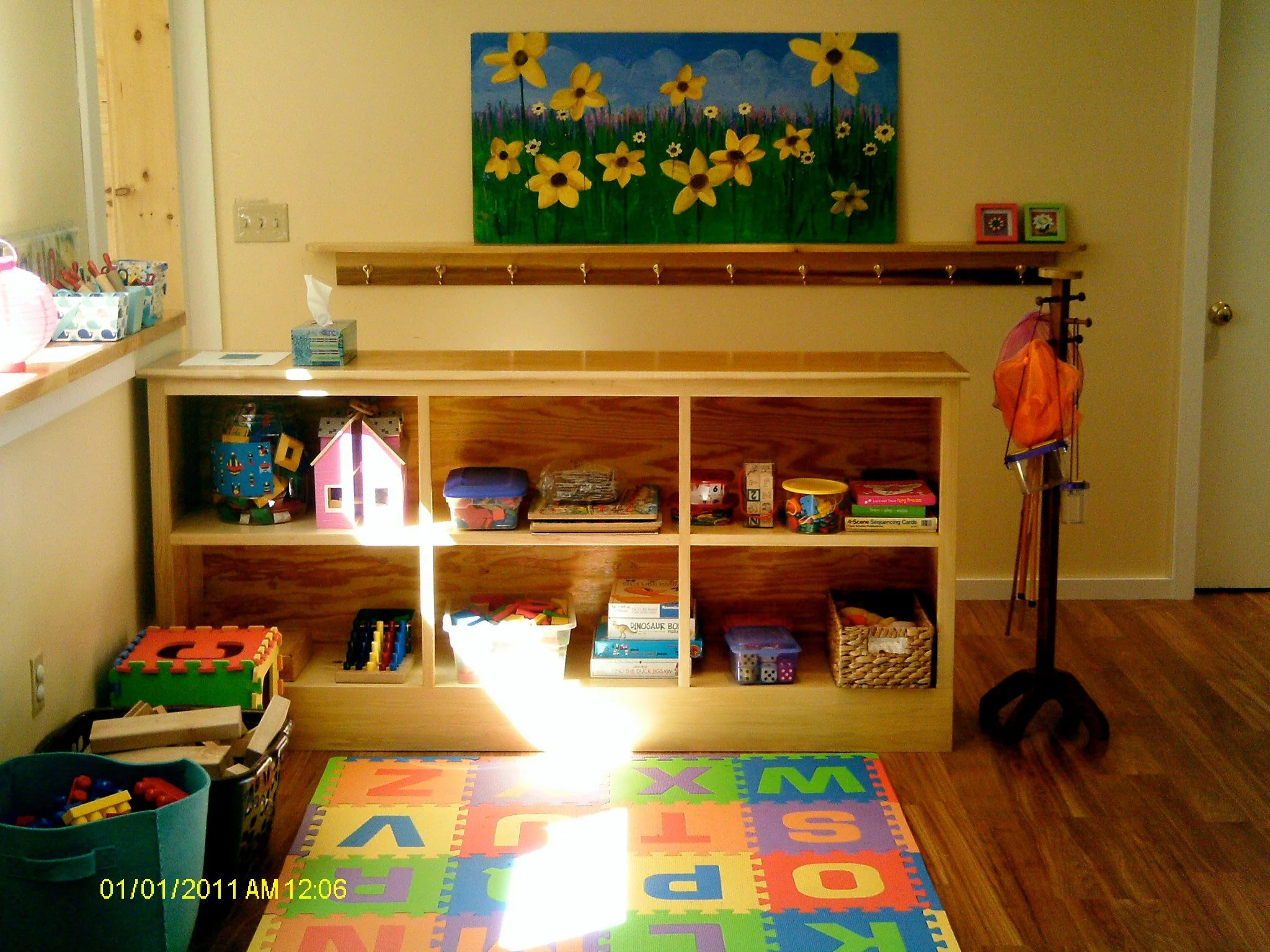
Don’t Let the pigeon drive the bus
What a preschool story taught me about perfectionism, people-pleasing, and taking back the wheel
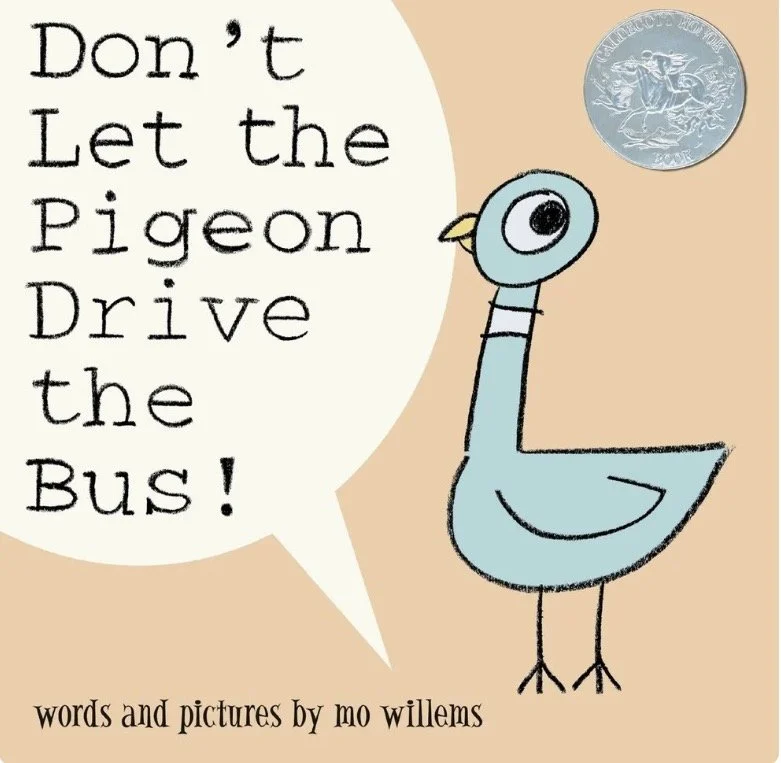
The preschool classroom is humming with the sounds of twelve four-year-olds at work. Some are at the science table, watering the seedlings we recently planted for our garden and recording their growth. Some are at the water table, scooping, measuring, and pouring. A small group is on the toy mat, building a tower with blocks.
At the sound of the bell, the preschoolers rush to put away their free play toys. This time of day is honestly chaos. Twelve small voices calling out directions to each other in hopes of a quick cleanup. Chairs scrape across the floor, blocks tumble, water-table toys drip onto the floor and into their designated bucket. As I glance around the room, I sense excitement; an urgency to get to the next thing. The preschoolers know that something special is planned, and they don’t want to miss it.
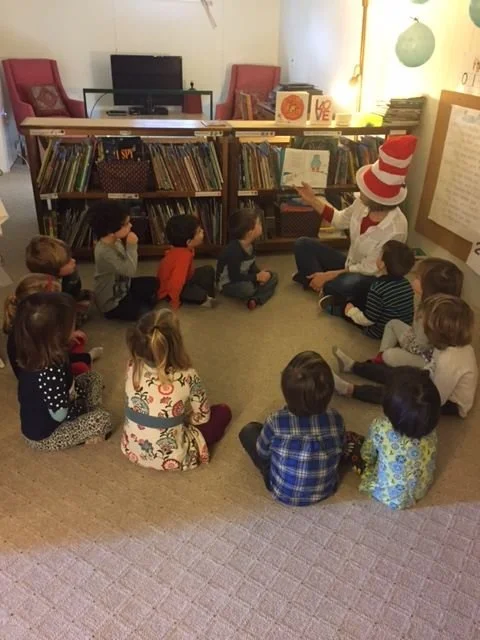
As the last toys and materials are put away, we gather on the floor of our little classroom library for our favorite time of day. Each preschooler chooses a colorful sticker that marks a spot to sit. Once we are settled, crisscross-applesauce, in our circle, I pass around a small bell to begin. The preschoolers fall silent, knowing that they will have a turn with the bell when their bodies and voices are quiet. This is our routine, and they know it well.
We sing our circle time song, name the weather, and move through the calendar with an efficiency that comes with anticipation of what’s to come next. At last, it’s book time, and today, I have a surprise—a new addition to our library. A book that I know will become a favorite— Mo Willems’s Don’t Let the Pigeon Drive the Bus. As I reveal it, a cheer erupts from the group. They recognize the illustrations immediately—we’ve read several of his books—and they know what’s coming.
I ask them, “Have you ever seen a pigeon drive a bus?”
They respond with a loud and resounding “Nooooooo!”
“Do you think a pigeon could drive a bus?” I thoughtfully ask.
“Nooooooo!’’ They roar.
With a serious expression, I say, “Do you think a pigeon should be allowed to try?”
“Nooooooo!” They fall into fits of laughter.
I’m starting to have fun with this.
I say, “Why do you think a pigeon shouldn’t drive a bus?”
Their responses come at me in rapid succession.
“They couldn’t reach the gas pedal.”
“They don’t have hands and couldn’t steer the bus in the right direction.”
“It wouldn’t be safe.”
“Ms. Becky, that’s silly.”
With genuine curiosity, I ask, “What do you think would happen if a pigeon actually did drive a bus?”
There is a moment of quiet as they think.
One preschooler says, “That would be scary.”
Others add, “That’s dangerous.”
“Pigeons can’t talk.”
“The pigeon wouldn’t know which way to go.”
Another moment of quiet, and I pause and ask, “Should we find out if this pigeon gets to drive the bus?”
There is a sigh of relief in the group as they answer in unison, “Yes!!!”
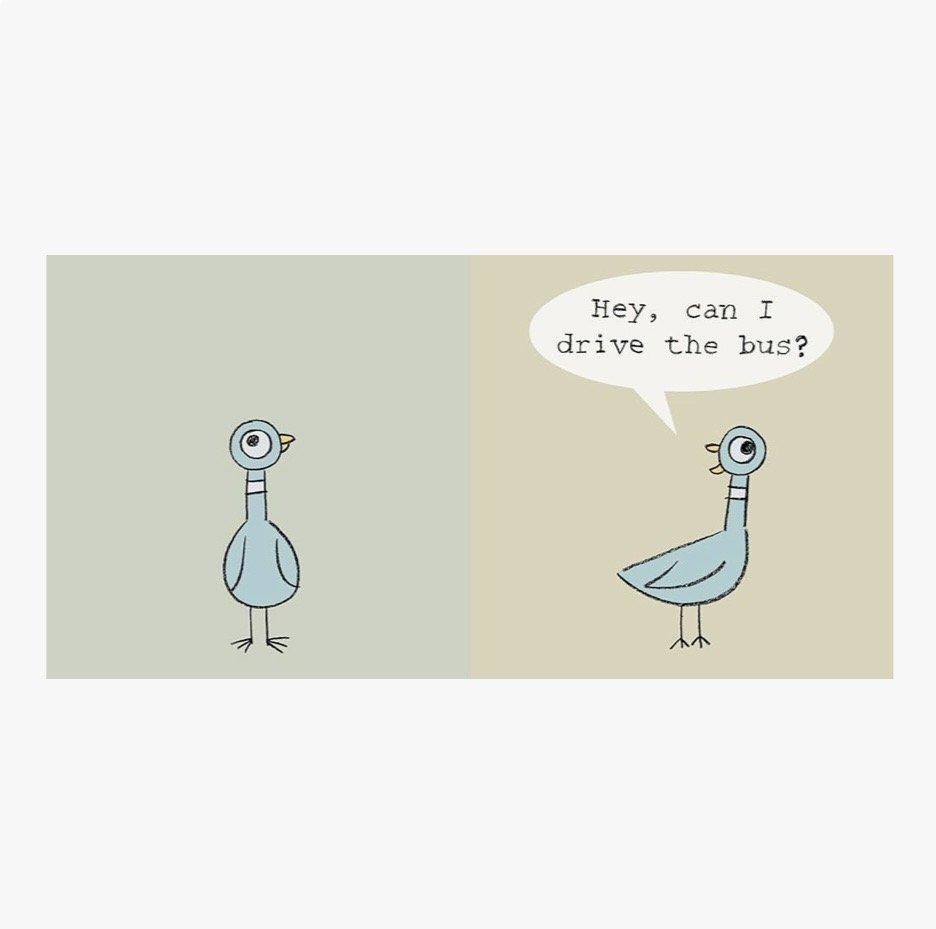
I begin reading, “Hi! I’m the bus driver. Listen, I’ve got to leave for a little while, so can you watch things for me until I get back? Thanks. Oh, and remember: Don’t Let the Pigeon Drive the Bus!”
As I sit with my beloved little group of preschoolers, I realize that I’m tired—bone-tired. I continue reading, and the metaphor comes to mind clearly. Suddenly, I wonder who I’ve been allowing to drive the bus in my life?
A part of me has been pushing hard and not listening to my body’s signals for rest. I have been arriving at school early and staying late, wanting everything to be perfect—the classroom, the activities, the schedule of our day. On top of that, I have rearranged my plans for the past week to accommodate parents’ early arrivals and late pick-ups, unable to speak up for myself and guard my own time.
This realization stayed with me throughout the day, and later, as I was walking our dog, the pigeon metaphor became clearer. The pigeon represents parts of me that really want control. The perfectionist wants everything just so, the striver pushes beyond exhaustion, and the people pleaser constantly puts others’ wants and needs first. As I continued to reflect, I realized that these parts represent a pattern I have been living with for years. I sigh.
I am in my second year of running the preschool. After returning to school several years earlier to become an elementary school teacher, I worked in the local public school as an ed tech, exploring which grade I would ideally like to teach. What I came to realize was that the decision to become a public school teacher didn’t feel aligned with my strengths, my values, or the ideals I had created for myself and my career as a teacher.
At that time, state and national testing were driving the bus of the public school curriculum. Teachers were given rigid, specific directions on what and how to teach. I observed care and creativity drain from the classroom as teachers were pressured to cover large amounts of material quickly, leaving many students to fall through the cracks. Lunch and outdoor time were shaved down to 30 minutes a day. “Specials” like art and music began to be cut.
I read the writing on the wall and decided to open a preschool where I would have more freedom to teach in a way that aligned with my values and strengths. This included significant outdoor time and time spent exploring and learning from nature. Art and music became daily staples, and I encouraged preschoolers to experiment and explore a wide variety of materials and content with curiosity rather than pressure. Appropriate social interactions, involving kindness and care, became the norm.
My decision to leave a career in public schools to start my own school felt very aligned with me, but I was exhausted. Did I make the wrong decision?
“What I realized on my walk that day was that it wasn’t what I was doing, it was how I was doing it.”
The decision to find a way to teach that met my ideals was solid. I loved to watch the awe in a preschooler’s eyes when they discovered that a seed they planted in the garden had sprouted. I loved the freedom and excitement the preschoolers felt as they experimented with new art materials. I loved to witness their growing love of books and stories. I loved the flexibility I had to slow things down or change direction completely when I encountered a teachable moment. I loved that kindness mattered in my classroom. And of course, I loved to sing and dance and be silly with twelve little humans.
What I also realized on that walk was that I had my own pigeons, and they had most definitely been driving the bus. The overworking, overgiving, and constant pressure to be perfect had caused me to lose connection to myself. That place inside me that was calm, clear, curious, and creative. The pigeon represented parts of me that, although they had my best interests at heart, were wreaking havoc in my life—The Pleaser, The Perfectionist, The Achiever, and The One Who couldn’t rest. It became clear that the bus wasn't the problem; it was who was driving it.
I’ve also come to realize that in addition to these parts, there is a calm inner presence within me that knows the way. It is a steady, quiet knowing that my body experiences as peace and spaciousness, and bringing curiosity and care to my parts from this grounded presence has made all the difference. By engaging with the pleaser, perfectionist, and achiever from this place, they begin to soften, and I gain the distance I need so I don’t get hijacked by them— “drive the bus”. Over time, the perfectionist has become a discerning voice within rather than a loud critic; the pleaser cares about others but not at my own expense; and the achiever admires excellence in a more balanced way.
What I’ve come to understand is that we all have pigeons. These pigeons represent parts of us that evolved in response to challenges we faced. And these parts are trying to protect us and actually intend to serve our highest good. But they are not meant to lead.
If you know a preschooler, you know that they love repetition—especially if it involves a favorite book. The next day, I sat with my preschoolers at circle time as they once again laughed and shouted, “Noooooo!” when the pigeon begged for a turn at the wheel. I smiled, realizing how obvious it was to them. Of course, the pigeon shouldn’t drive the bus. Of course, that wouldn’t ever end well. And yet, in my own life, I had been handing over the wheel without a second thought.
Maybe the work isn’t giving the pigeons the wheel—or getting rid of them. Maybe it’s reminding them gently and firmly, again and again—
You are welcome to ride on the bus, but you don’t get to drive.